
Columbia Engineering Researchers Develop Faster Lithium Extraction Method
A new technique using temperature-sensitive solvents allows for the direct extraction of lithium from underground brines, bypassing traditional evaporation ponds.
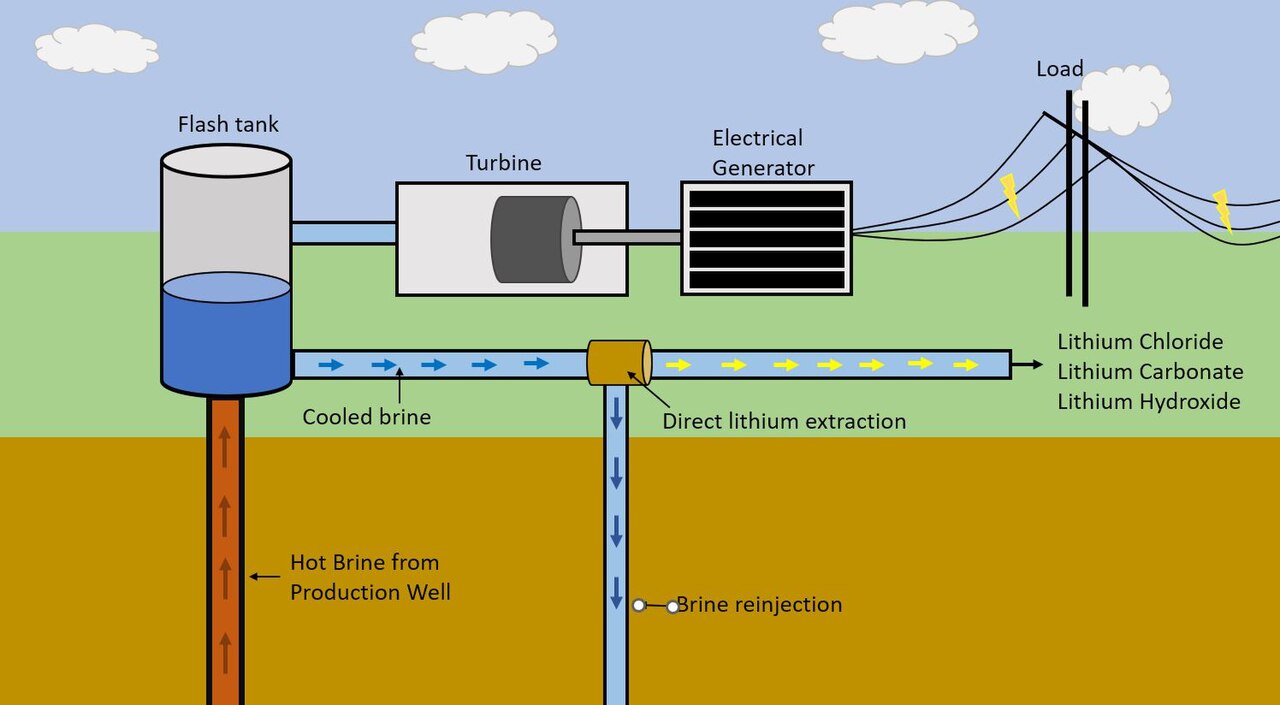
New Extraction Technique
Researchers at Columbia Engineering have developed a new method for extracting lithium directly from salty underground brines. The technique utilizes a temperature-sensitive solvent to pull the mineral from the brine, a process designed to be faster, cheaper, and more environmentally friendly than existing methods.
According to the researchers, this approach avoids the use of giant evaporation ponds, which are common in traditional lithium mining. These ponds can take years to process lithium and often drain local water supplies. Additionally, the new method is capable of working on low-quality lithium sources that current extraction technologies struggle to utilize.
Laboratory Performance and Testing
To test the system, researchers used synthetic brines modeled after the Salton Sea, a geothermal region located in Southern California. The Salton Sea is estimated to contain enough lithium to supply more than 375 million electric vehicle (EV) batteries.
In these laboratory tests, the system recovered nearly 40% of the lithium after four cycles using the same batch of solvent. This efficiency demonstrates the potential for the method to unlock massive, previously untouched reserves of the critical mineral.
Industry Context and Demand
The development comes amid a period of significant growth in battery demand. It is expected that 30% of cars sold in 2026 will be electric vehicles, all of which rely on batteries for power. Furthermore, American homes and businesses installed a record number of large-scale batteries last year.
Lithium remains a critical component for these technologies, and the ability to extract it more efficiently from diverse sources is a primary focus for researchers seeking to stabilize the supply chain for clean energy.
Sources (7)Open
- 1.ScienceDaily — Scientists just found a faster, cleaner way to extract lithium for EV batteries
- 2.Scitechdaily — Scientists Unveil Cheaper and Faster Way To Extract Lithium From Massive Untouched Reserves
- 3.Columbia — A New Method to Unlock Vast Lithium Stores | Columbia Engineering
- 4.Economist — Breakthroughs for batteries could soon make them much better
- 5.Wikipedia — Scientist - Wikipedia
- 6.Facebook — Scientists at Rice University have unveiled a new way to recycle ...
- 7.Msn — Mobile plant to extract lithium from 300-million-year-old brines for EV batteries
Topics
How NewsNews AI made this storyOpen
NewsNews AI researched this story across 7 sources, drafted it, and ran the result through an independent editorial pass. It cleared editorial review on first pass.
- 7 sources cited · linked in full at the bottom of the article
- Image license verified · cc-by-sa
- Independent editorial pass · approved
From the editor
Verified all factual claims against source snippets. Key claims about the Columbia Engineering temperature-sensitive solvent method, avoidance of evaporation ponds, Salton Sea synthetic brine tests (40% recovery in four cycles, 375 million EV batteries), and 2026 EV market share (30%) are all directly supported by their cited snippets. Sources 5 (Wikipedia/Scientist) and 6 (Facebook/Rice University battery recycling) are not cited in the body, so their irrelevance is not a problem. No fabricated quotes, no contradictions, no unsupported key claims detected.
Feedback
We want to hear from you, especially when something is wrong. No signup, no email required.
Keep reading

Scientists Discover 'Immune Hubs' in Skull Bone Marrow
Researchers at WashU Medicine identified lymph node-like structures in mouse skulls that act as rapid first responders against brain cancer.

Researchers Maintain Human Brain Organoids for Over Five Years
Scientists have successfully maintained lab-grown brain tissue for more than five years, mirroring aspects of human brain development over an extended period.

U.S. Confirms Second Texas Screwworm Case; Canada Bans Livestock Imports
Canada has implemented a temporary ban on livestock from Texas following the confirmation of a second New World screwworm infection in a calf.