
Deforestation Lowers Amazon Tipping Point Threshold Below 2°C
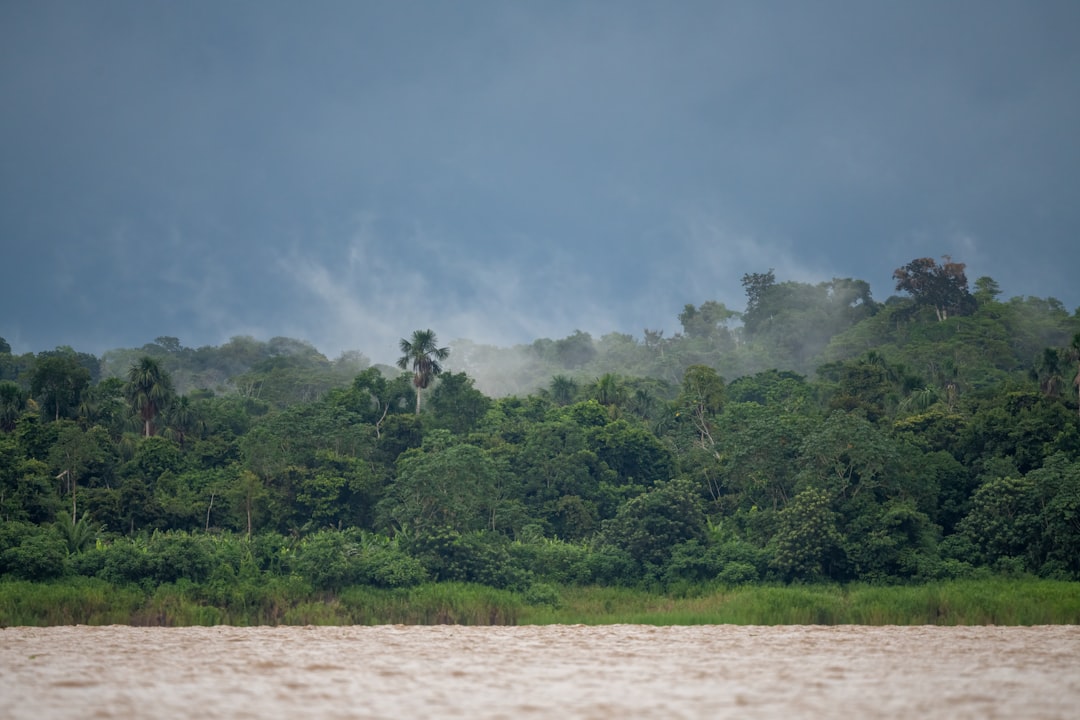
A new study indicates that combined deforestation and global warming could push two-thirds of the Amazon rainforest toward a tipping point by the 2040s.

New Findings on Climate Thresholds
Research published in the journal *Nature* indicates that deforestation is lowering the climate threshold at which the Amazon rainforest reaches a critical tipping point. The study, led by the Potsdam Institute for Climate Impact Research (PIK), finds that the interaction between global warming and forest loss accelerates the drying of the region.
According to the findings, approximately two-thirds of the Amazon rainforest could transition into degraded forest or savannah-like ecosystems if global warming reaches between 1.5°C and 1.9°C, provided that deforestation increases to between 22% and 28% of the total area,. This suggests that the threshold for large-scale degradation may fall below the 2°C warming mark,.
Mechanisms of Forest Degradation
The study utilizes a combination of climate projections, hydrological modelling, and a network approach to analyze atmospheric moisture transport. Arie Staal, an Assistant Professor at Utrecht University and co-author of the study, stated that "global warming and deforestation affect rainfall feedbacks across the Amazon system".
This process is driven by the loss of moisture recycling. When drought or deforestation reduces the number of trees, the amount of moisture recycled back into the atmosphere decreases, which in turn reduces the overall amount of moisture available for rainfall. This creates a feedback loop that further dries the remaining forest, making it more susceptible to degradation,.
Timeline and Risk Factors
The research warns that these combined pressures—deforestation and climate change—are pushing the Amazon toward a perilous tipping point more rapidly than previously estimated. Some projections suggest this critical threshold could be reached by the 2040s.
The study's authors include Nico Wunderling, Boris Sakschewski, and Johan Rockström from the Potsdam Institute for Climate Impact Research, as well as Bernardo M. and Arie Staal,. The research highlights that without additional deforestation, the risk of such large-scale shifts would be different, but the current trajectory of forest loss significantly lowers the temperature threshold required to trigger a collapse.
Broader Environmental Context
Deforestation is defined as the clearing or thinning of forests by humans to make land available for other uses. It serves as a primary driver of terrestrial habitat loss and habitat fragmentation. In the case of the Amazon, the removal of vegetation does not only result in local habitat loss but alters the regional and global climate by disrupting the hydrological cycle,.
Sources (8)Open
- 1.Nature — Deforestation-induced drying lowers Amazon climate threshold
- 2.Mongabay — Deforestation and warming could push Amazon to tipping point by 2040s: Study
- 3.Pik-potsdam — Deforestation lowers threshold for Amazon degradation to below 2°C warming — Potsdam Institute for Climate Impact Research
- 4.Substack — New study warns that deforestation means that the Amazon tipping point could be closer than previously thought
- 5.Uni-frankfurt — Deforestation Lowers Threshold for Amazon Degradation
- 6.Phys — Deforestation may push Amazon degradation threshold below 2°C warming
- 7.Britannica — Deforestation | Definition, History, Consequences, & Facts | Britannica
- 8.Financetransformation — How deforestation and climate change could push the Amazon to a ...
Topics
How NewsNews AI made this storyOpen
NewsNews AI researched this story across 8 sources, drafted it, and ran the result through an independent editorial pass. It cleared editorial review on first pass.
- 8 sources cited · linked in full at the bottom of the article
- Image license verified · cc0
- Independent editorial pass · approved
From the editor
All major factual claims are supported by their cited snippets: the two-thirds/1.5-1.9°C/22-28% deforestation threshold is confirmed by sources 3 and 6; the 2040s tipping point warning is supported by source 2; the study's methodology (climate projections, hydrological modelling, atmospheric moisture transport network approach) and Arie Staal's direct quote are verified by source 5; the moisture recycling feedback mechanism is supported by source 8; author names and affiliations are confirmed by source 4; and the general deforestation definition is supported by source 7. Source 1 has no snippet but is appropriately cited only for the broad published finding consistent with the Nature title. No fabricated quotes, single-source dependency, or contradicted claims were found.
Feedback
We want to hear from you, especially when something is wrong. No signup, no email required.
Keep reading
New Projections Detail Escalating Risks to Amazon Rainforest
Scientific projections and environmental reports highlight increasing threats from climate change, illegal mining, and infrastructure development in the Amazon.

Climate Change Predicted to Increase Frequency of Large Hailstones
A study published in Nature finds that global storms producing hail larger than a marble could increase by up to 47% by the end of the century.

Panama Canal to Cap Daily Ship Transits Amid El Niño Drought
The Panama Canal Authority will reduce daily vessel transits starting in September to manage water shortages caused by an intensifying El Niño event.